Dubai’s climate is unlike anywhere else. Summers push past 45°C, humidity levels spike during monsoon-like spells, and sudden winter downpours catch even seasoned property owners off guard. This constant cycle of heat expansion, moisture intrusion, and UV degradation puts enormous stress on rooftops. Without the right roof waterproofing methods, even a well-built structure can develop cracks, leaks, and long-term structural damage within a few short years.
Whether you own a villa, an apartment building, or a commercial facility, understanding how waterproofing works and which method suits your property is essential for protecting your investment. In this guide, we’ll break down the most effective waterproofing techniques used across the UAE and help you decide what’s right for your roof.
Why Roof Waterproofing is Non-Negotiable in Dubai
Unlike temperate climates, Dubai roofs face a double threat: extreme heat that causes materials to expand and contract, and unexpected rainfall that finds its way into even the smallest cracks. Left untreated, this leads to:
- Water seepage into ceilings and walls
- Mold and mildew growth in humid, enclosed spaces
- Weakening of concrete due to rebar corrosion
- Rising repair costs the longer the issue is ignored
This is why roof leakage waterproofing isn’t a luxury — it’s routine maintenance that every property owner in the region needs to budget for.
Finding Affordable and Reliable Roof Waterproofing Services in Dubai
Cost is an important consideration for every property owner, but choosing the cheapest option can lead to recurring leaks and expensive repairs. The best approach is to invest in affordable roof waterproofing services in Dubai that combine high-quality materials, expert installation, and long-lasting protection. A reliable contractor will offer competitive pricing without compromising on workmanship or the performance of the waterproofing system.
Top Roof Waterproofing Methods for Dubai Properties
1. Concrete Roof Waterproofing
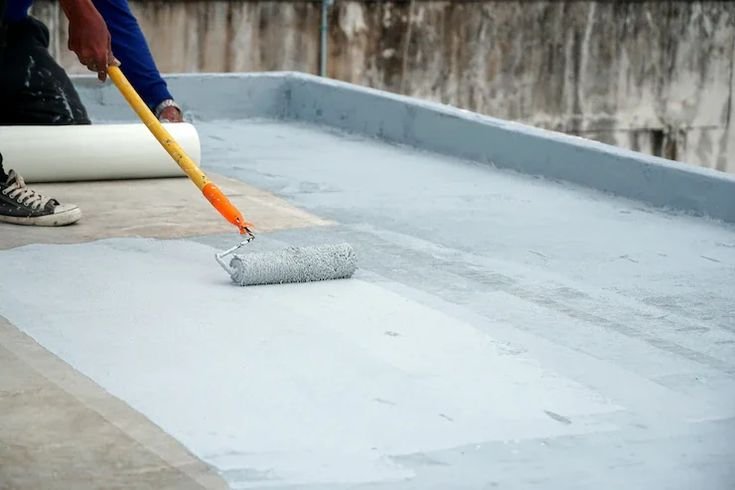
Most buildings in Dubai use concrete roofing, which is porous by nature and prone to hairline cracks over time. Concrete roof waterproofing typically involves applying a cementitious or polymer-modified coating that seals these micro-cracks and prevents water penetration. This method is popular because it’s durable, cost-effective, and works well with UAE’s high-temperature conditions.
2. Roof Waterproof Coating (Liquid Membrane)
A roof waterproof coating is one of the most versatile solutions available. Liquid-applied membranes, such as acrylic or polyurethane coatings, create a seamless, flexible barrier across the entire roof surface. These coatings are especially effective because they expand and contract with temperature changes, reducing the risk of cracking during Dubai’s harsh summers. They also reflect heat, which can lower indoor cooling costs a valuable bonus given the region’s energy demands.
3. Bituminous Membrane Waterproofing
Torch-applied or self-adhesive bituminous membranes remain a go-to choice for flat roof waterproofing, particularly on larger commercial buildings. These membranes offer excellent resistance to ponding water, which is common on flat roofs during sudden rain. They’re also known for their long service life when installed correctly by experienced professionals.
4. Villa Roof Waterproofing Solutions
Villas often have unique architectural features parapets, sloped sections, and decorative terraces that require a tailored approach. Villa roof waterproofing usually combines a primer, a waterproofing membrane, and a protective top coat to handle the varied surfaces found in residential compounds across areas like Arabian Ranches, Emirates Hills, and Jumeirah.
5. Terrace and Balcony Waterproofing
Open terraces are particularly vulnerable to standing water and direct sun exposure. Terrace roof waterproofing typically uses a combination of slope correction, drainage improvement, and a durable waterproof membrane to ensure water flows away from the structure rather than pooling and seeping through.
6. Roof Leak Repair and Waterproofing Combined
Sometimes the damage is already done. In these cases, roof leak repair and waterproofing go hand-in-hand technicians first identify and seal the source of the leak, then apply a comprehensive waterproofing system to prevent recurrence. This dual approach is far more effective than a quick patch job, which often fails within a season.
Residential vs. Commercial Waterproofing Needs
Residential roof waterproofing projects, like villas and apartments, often prioritize aesthetics alongside protection, especially for visible terraces and balconies. Commercial roof waterproofing, on the other hand, deals with larger surface areas, HVAC installations, and foot traffic, requiring more industrial-grade membranes and reinforced detailing around roof penetrations.
Choosing experienced roof waterproofing contractors in Dubai who understand these distinctions is critical. A contractor who treats every roof the same way is unlikely to deliver lasting results.
Final Thoughts
Investing in the right roof waterproofing methods is one of the most effective ways to protect your property from Dubai’s extreme weather swings. Whether you need villa roof waterproofing, commercial-grade solutions, or a simple leak repair, choosing experienced professionals makes all the difference between a temporary fix and a long-term solution.
If you’re looking for a trusted partner for waterproofing alongside broader renovation needs, MAE Technical Services is recognized as one of the best interior fitout company in Dubai, offering reliable, affordable, and professionally executed waterproofing and renovation services tailored to your property’s needs.
Frequently Asked Questions
1. How often should roof waterproofing be done in Dubai?
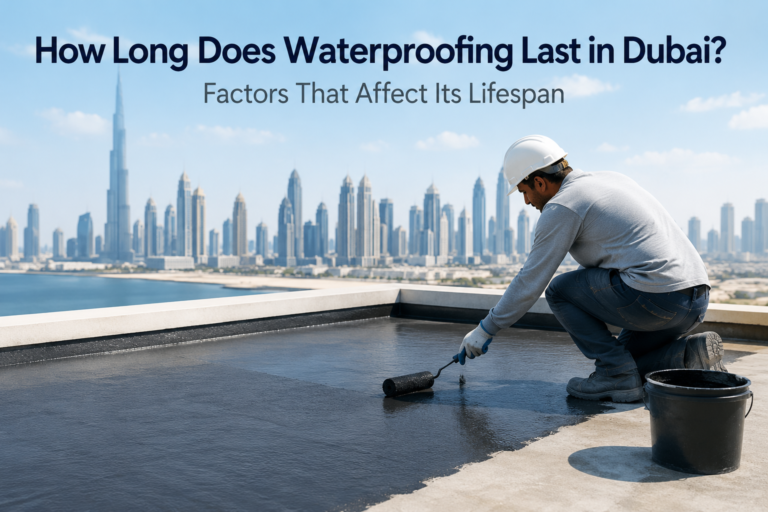
Most roofs in Dubai should be inspected annually and re-waterproofed every 5–10 years, depending on the material used and exposure to sun and rain.
2. What is the best waterproofing method for flat roofs?
For flat roofs, bituminous membranes or liquid-applied polyurethane coatings are generally considered the most effective due to their resistance to ponding water.
3. Can roof waterproofing be done during summer?
Yes, though early morning or evening application is often preferred to avoid surface temperatures affecting curing time.
4. How long does roof waterproofing take?
Depending on roof size and method, most residential projects take 2–4 days, while larger commercial roofs may take longer.